Painting at the wrong time can turn a straightforward home improvement project into a frustrating battle with slow drying, poor adhesion, or an uneven finish. In Marietta, temperature is only part of the equation. Humidity, rain, direct sunlight, and overnight conditions can all affect how well paint performs.
That makes timing an important consideration for seasonal painting in Marietta, GA, especially for exterior projects exposed directly to changing weather.
Spring and fall often provide favorable conditions, but summer and winter painting can also be successful when temperatures, moisture levels, and application times are carefully managed.
Knowing how each season affects paint can help homeowners plan more effectively, avoid preventable problems, and choose a window that gives both interior and exterior finishes the best chance to look great and last.
Seasonal Painting Tips for Marietta Homeowners
What Should You Prepare Before Painting Your Atlanta Home?
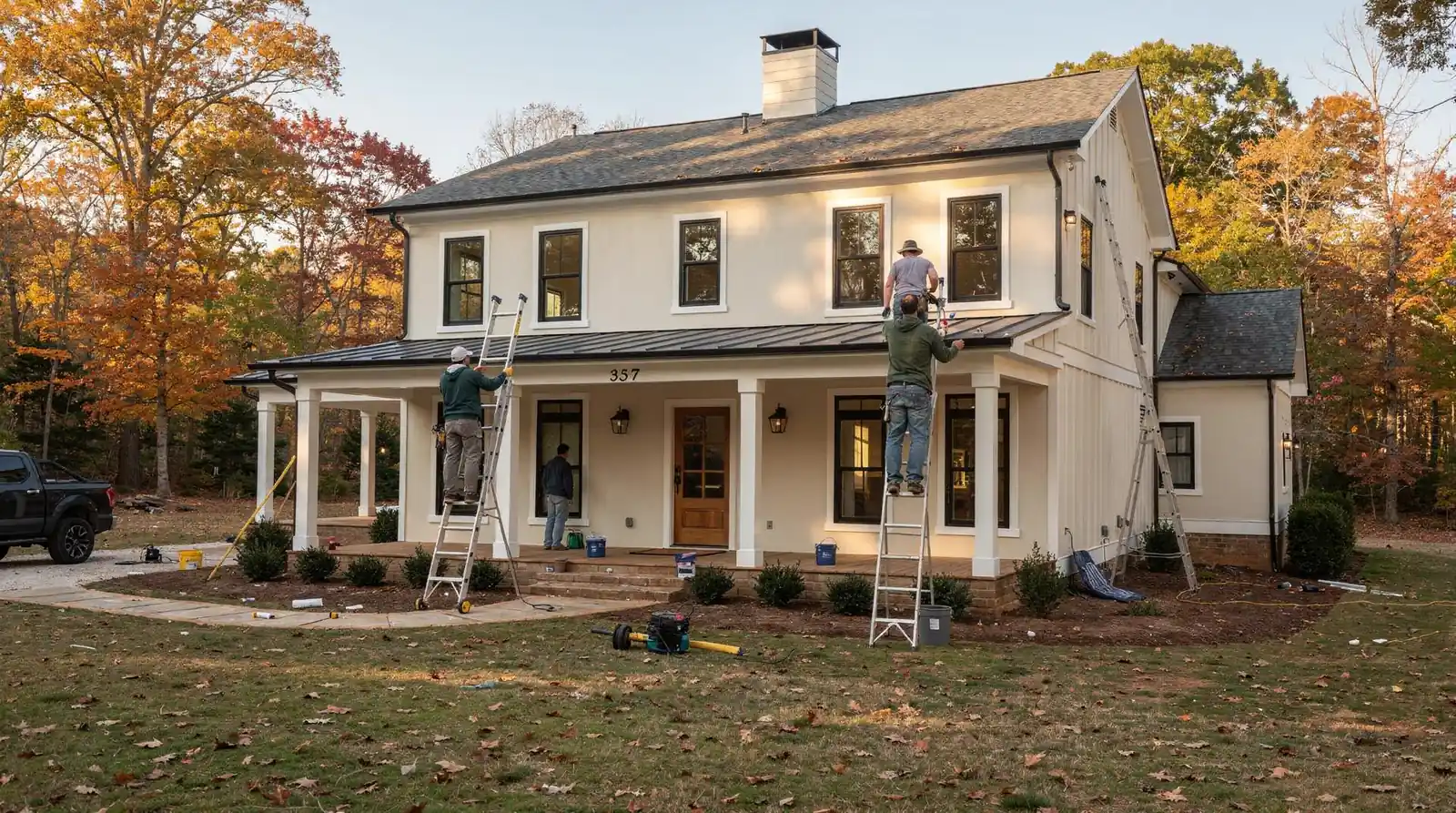
Exterior painting lasts longer when the surface and weather conditions are both ready for paint. In Atlanta, that means planning around heat, humidity, rain, pollen, and rapidly changing conditions rather than choosing a date based on temperature alone.
Good seasonal painting starts several days before the first coat goes on. Homeowners should look at the extended forecast, inspect the condition of the exterior, schedule cleaning and repairs, and confirm that the selected paint can handle the expected application and drying conditions.
That preparation reduces the risk of poor adhesion, uneven drying, mildew, and premature peeling.
Check More Than the Daytime Temperature
There is no single temperature range that applies to every exterior paint. Many modern products can be applied at temperatures lower or higher than older formulas allowed, so the product label and technical data sheet should control the decision.
Benjamin Moore, for example, notes that some exterior products can be applied between 35°F and 100°F, while Sherwin-Williams also offers exterior coatings rated for application down to 35°F.
Air temperature is only part of the picture. Surface temperature can be much higher than the surrounding air when siding sits in direct sun, and humidity affects how quickly moisture leaves the coating.
Conditions also need to remain suitable after application, not just while the crew is painting. Sherwin-Williams notes that stable conditions during the early drying period are important to proper film formation.
For seasonal painting in Atlanta, the practical goal is a dry window with moderate temperatures, manageable humidity, and enough curing time before rain, heavy dew, or a sharp temperature drop.
Clean the Exterior Before Any Paint Goes On
Atlanta homes can collect pollen, dirt, mildew, and airborne debris quickly, particularly through spring and summer. Painting over contamination can interfere with adhesion and leave an uneven finish, even when high-quality paint is used.
Exterior preparation should therefore begin with thorough cleaning appropriate for the surface. Once the siding or trim is clean, it needs enough time to dry completely before scraping, priming, or painting begins.
The same principle applies after rainfall, since wood, masonry, and other porous surfaces can hold moisture longer than they appear to from the outside.
A professional residential exterior painting project typically includes preparation tailored to the existing surface, whether the home has wood siding, fiber cement, vinyl, aluminum, stucco, brick, or painted trim.
Repair Peeling Paint, Failed Caulk, and Surface Damage
Cleaning alone is not enough if the existing coating is already failing. Loose or peeling paint should be scraped away, rough edges should be sanded where appropriate, and exposed areas may need primer before the finish coats are applied.
Caulk also deserves attention around windows, doors, trim joints, and other vulnerable gaps. Failed caulk can allow moisture behind the painted surface, which may shorten the life of the new coating even if the finish looks good immediately after application.
This is why surface preparation has such a strong effect on durability. Arreguin’s Painting lists power washing, scraping, sanding, caulking, sealing gaps, priming exposed areas, and minor repairs as typical preparation steps for exterior projects.
Plan Around Rain, Humidity, and Dew
A clear afternoon does not automatically mean conditions are suitable for painting. Rain later that evening, heavy overnight dew, or high humidity can interfere with a coating that has not developed enough film strength.
The risk is especially relevant in Atlanta during warmer months, when heat, humidity, and afternoon storms can occur together. Painting schedules may need to shift earlier in the day, move to shaded elevations, or pause altogether when the forecast does not provide enough drying time.
Homeowners should also avoid assuming that the hottest, driest-looking part of the day is always ideal. Direct sunlight can heat siding well above the ambient air temperature and cause paint to dry too quickly for proper leveling.
Is Spring or Summer Better for Exterior Painting in Atlanta?
Spring can offer comfortable painting conditions, but pollen and frequent rain can complicate scheduling. Summer provides longer days, yet intense afternoon heat, direct sun, high humidity, and thunderstorms can narrow the usable application window.
Fall is often another strong option because temperatures may be more moderate and humidity can be easier to manage. However, shorter days and cooler overnight conditions become more important later in the season.
That makes the best time to paint an Atlanta home less about picking one perfect month and more about finding a suitable weather window within the season. Flexible scheduling is often more valuable than trying to declare spring, summer, or fall the universal winner.
What Should Be Ready Before the Crew Arrives?
Homeowners can make exterior work easier by trimming back plants that touch the house, moving patio furniture and grills away from the work area, securing pets, and making exterior water and electrical access available when needed.
It is also worth discussing repairs, colors, primer needs, and the coating system before work begins rather than resolving those decisions after preparation is underway. A detailed estimate should make clear what surface preparation is included so there are no surprises once peeling paint, failed caulk, or damaged trim is uncovered.
Seasonal painting succeeds when the weather, surface, and schedule are treated as one plan. The right preparation gives the coating a sound surface to bond to, while careful timing gives it the conditions it needs to dry and cure properly.
Which Months Are Best for Painting in Metro Atlanta?
There is no single month that guarantees perfect exterior painting conditions in Metro Atlanta. Spring and fall often provide the most workable combination of moderate temperatures and manageable heat, but the actual weather window matters more than the date on the calendar.
A dry week in June may be more suitable than a rainy week in October.
For seasonal painting, homeowners should think in terms of conditions rather than simply ranking seasons. Paint needs enough time to form a durable film before rain, heavy dew, extreme heat, or a significant temperature change interrupts the drying process.
The manufacturer’s application requirements for the specific coating should always take priority over a general seasonal rule.
| Season | Typical Atlanta Challenges | Painting Outlook |
|---|---|---|
| Spring | Rain, pollen, changing humidity | Often favorable with careful scheduling |
| Summer | High surface temperatures, humidity, afternoon storms | Possible, but timing becomes more important |
| Fall | Shorter days, cooler nights, occasional rain | Often one of the easier periods |
| Winter | Cold mornings and shorter drying windows | Product- and weather-dependent |
Is Spring a Good Time for Exterior Painting?
Spring can provide excellent painting conditions once temperatures become consistently moderate. March through May often gives crews more usable daytime hours before the most intense summer heat arrives, making it easier to work around direct sun and maintain appropriate surface temperatures.
Spring brings complications of its own, however. Rain can interrupt preparation and application, while heavy pollen may settle on siding, trim, and other surfaces.
A surface that was washed several days earlier may need another inspection before primer or paint is applied. Seasonal painting during spring works best when the forecast provides enough dry time for cleaning, surface preparation, application, and initial curing.
Why Is Fall Often a Strong Painting Season in Atlanta?
September through much of the fall can offer comfortable conditions for exterior work because peak summer heat has usually begun to ease. More moderate daytime temperatures can make it easier to manage direct sunlight and prevent surfaces from becoming excessively hot during application.
Fall should not automatically be labeled the best season, though. As the season progresses, shorter daylight hours and colder overnight temperatures reduce the available working window.
Morning dew may also keep surfaces damp longer than expected. Successful fall painting depends on starting only after the substrate has dried and ensuring the coating has enough time to set before temperatures fall overnight.
Homeowners planning residential painting should therefore consider the forecast, surface condition, paint specifications, and exposure of each side of the house rather than choosing a date simply because fall is generally considered favorable.
Can You Paint a House During an Atlanta Summer?
Yes. Summer painting is possible in Atlanta, but crews often need to manage the schedule more carefully. The biggest issue is not simply a high air temperature.
Exterior walls exposed to direct afternoon sun can become considerably hotter than the surrounding air, which may push the surface outside the paint manufacturer’s recommended application range.
Working around the sun can help. Painters may begin on shaded elevations and move around the home as exposure changes. Afternoon thunderstorms and high humidity also need to be considered because freshly applied paint requires sufficient drying time before rain arrives.
Summer therefore should not be treated as an automatic no-go period. It simply provides less margin for poor timing, especially on dark siding, west-facing walls, and surfaces that receive prolonged direct sunlight.
Is Winter Too Cold for Exterior Painting in Atlanta?
Not necessarily. Modern exterior paints vary significantly in their minimum application temperatures, and some products are formulated for cooler conditions.
A mild winter day may provide an acceptable painting window if the air and surface temperatures remain within the manufacturer’s requirements during application and early drying.
The challenge is consistency. Cold mornings, early sunsets, and falling evening temperatures create shorter working periods. A surface may also remain damp from overnight dew even after the air has warmed.
Winter seasonal painting should therefore be scheduled around an appropriate multi-hour weather window rather than the day’s forecast high alone.
What Weather Conditions Matter More Than the Month?
Temperature is only one part of the decision. Before exterior painting begins, homeowners and contractors should consider recent rainfall, expected rain, relative humidity, surface temperature, direct sunlight, wind, and overnight conditions.
The condition of the surface matters just as much. Wood or masonry may retain moisture after rain, while shaded areas can remain damp long after sunny sections of the house have dried. Paint should not be applied simply because the air feels warm and the exterior looks dry from a distance.
For most Metro Atlanta homes, spring and fall provide many of the year’s most convenient painting windows, while summer and winter require more careful scheduling.
The best seasonal painting plan is ultimately flexible, using favorable stretches of weather instead of assuming that one month will always produce better results than another.
How Can You Avoid Seasonal Painting Mistakes in Atlanta?
Seasonal painting mistakes usually happen when homeowners focus on the forecast but overlook the condition of the house itself. A stretch of mild, dry weather can be ideal for painting, but it will not compensate for peeling coatings, damp siding, failed caulk, mildew, or damaged trim underneath.
For Atlanta homes, the safest approach is to treat weather, surface condition, and preparation as one decision. Seasonal painting works best when the exterior is inspected first, repaired where necessary, cleaned thoroughly, and given enough time to dry before primer or paint is applied.
Inspect the Exterior Before Choosing a Paint Date
Walk around the entire house before scheduling the project. Look closely at siding, trim, fascia, soffits, doors, window surrounds, and other painted surfaces rather than judging the exterior from the street.
Peeling, cracking, flaking, blistering, or exposed substrate can indicate that the existing coating is already failing. Pay attention to whether the damage is isolated or widespread, since repeated failure in the same location may point to moisture, drainage, or material deterioration rather than an ordinary aging paint film.
This inspection should happen before the final project date is chosen. Discovering damaged wood, failed joints, or other repairs after the crew arrives can delay painting and reduce the amount of favorable weather available for proper preparation and drying.
Do Not Paint Over Dirt, Pollen, or Organic Growth
Atlanta’s warm, humid climate can leave exterior surfaces coated with pollen, dust, mildew, algae, and other contaminants. Applying fresh paint over that buildup can interfere with adhesion and leave visible imperfections beneath the finish.
Cleaning should happen early enough for the exterior to dry fully afterward. This is particularly important for porous materials and shaded areas, which may retain moisture longer than surfaces exposed to direct sun. Seasonal painting should never be rushed simply because the forecast shows a short stretch of clear weather.
Cleaning methods should also match the surface. Excessive pressure can damage wood, force water behind siding, or disturb already loose coatings, while insufficient cleaning may leave contaminants behind. The goal is a sound, dry, clean surface, not simply one that looks brighter.
Repair Failed Caulk and Damaged Surfaces Before Painting
Paint should not be expected to hide structural or material problems. Cracked caulk, deteriorated trim, damaged wood, open joints, and loose coatings need to be addressed before the finish coats go on.
Scraping and sanding are particularly important where old paint has lost adhesion. Exposed areas may also need primer so the new coating bonds consistently across repaired and previously painted surfaces.
Skipping these steps can make a newly painted exterior look finished while leaving the causes of future peeling intact. Good preparation may take longer than the visible painting itself, but it is often what determines whether the final coating performs as intended.
Avoid Scheduling Too Close to Rain or Heavy Dew
One of the most common seasonal painting mistakes is assuming that a dry afternoon provides enough time for exterior paint to set. Fresh coatings need suitable conditions during application and through the early drying period.
In Atlanta, evening humidity and overnight dew can matter even when daytime conditions appear ideal. Rain later in the day presents an even clearer risk. Homeowners should look beyond the immediate hourly forecast and make sure the product has enough drying time before moisture returns.
The opposite problem can occur during summer. Direct sunlight may heat siding well above the air temperature, causing paint to dry too quickly on the surface. Working around shade and sun exposure can therefore be just as important as watching for rain.
Do Not Assume Every Side of the House Is Ready at the Same Time
Different elevations of a home can experience very different conditions on the same day. A north-facing wall may remain damp or shaded, while a west-facing wall becomes extremely hot in the afternoon.
Experienced seasonal painting schedules account for those differences instead of treating the entire exterior as one uniform surface. Crews may move around the property based on sun exposure, surface temperature, and drying conditions, painting one section while another remains unsuitable.
This approach is especially useful during shoulder seasons, when morning temperatures, afternoon sun, and evening cooling can create a narrower working window.
Watch for Signs That the Problem Is More Than Old Paint
Repeated peeling, bubbling, staining, or cracking may indicate moisture intrusion or substrate problems rather than simple coating failure. Painting over those symptoms without identifying the cause can lead to the same damage returning.
Homeowners should pay closer attention when failure is concentrated below gutters, around windows, near rooflines, or in areas where water regularly collects. Damaged siding, failing flashing, persistent leaks, or poor drainage may need to be corrected before repainting makes sense.
The best seasonal painting results come from knowing when the exterior is actually ready for paint. Favorable weather helps, but clean surfaces, sound materials, proper repairs, and enough drying time are what give the new coating a reliable foundation.
Frequently Asked Questions About Seasonal Painting in Atlanta
What Is the Best Time of Year to Paint an Atlanta Home?
Spring and fall usually provide some of the most convenient exterior painting windows in Atlanta because temperatures are often moderate and crews have more flexibility to work around direct sun, rain, and humidity.
That does not mean September through mid-November is always better than April or May, however. A dry, stable week in another season can be more suitable than a wet or unusually cold stretch during a traditionally favorable month.
For seasonal painting, the forecast matters more than the calendar. Homeowners should look for several days of workable temperatures, limited rain risk, manageable humidity, and enough drying time before overnight dew or colder temperatures arrive.
Why Can Summer Painting Be More Difficult in Atlanta?
Summer painting is possible, but Atlanta’s combination of high temperatures, direct sunlight, humidity, and frequent afternoon storms can make scheduling more complicated.
Exterior surfaces exposed to full sun may become much hotter than the surrounding air, which can push siding or trim outside the paint manufacturer’s recommended application range.
Humidity and rain also affect how much drying time is available. Rather than avoiding summer completely, contractors may adjust the workday by starting earlier, following shaded elevations around the house, and pausing when surface temperatures or weather conditions become unsuitable.
Good seasonal painting depends on managing those conditions rather than treating summer as an automatic no-go period.
What Temperature Is Best for Exterior Painting in Atlanta?
There is no universal 50°F to 85°F rule for every exterior paint. Modern products have different application ranges, and some are formulated for use at temperatures as low as 35°F or in much warmer conditions. The correct range should come from the specific paint manufacturer’s technical data.
Surface temperature matters just as much as the air temperature. A wall in direct afternoon sun can be significantly hotter than the weather report suggests, while shaded siding may remain damp or cool long after the air has warmed.
Homeowners should also consider how conditions will change during the first several hours after application, since falling temperatures, rain, or heavy dew can interfere with drying.
Can You Paint an Atlanta Home in Winter?
Yes, under the right conditions. Mild winter days can provide workable exterior painting windows when the selected coating is approved for cooler temperatures and the surface is dry.
The challenge is that winter offers shorter days and less margin for temperature changes. Cold mornings, early sunsets, and evening temperature drops can reduce the amount of time available for application and drying.
Winter seasonal painting therefore works best when the forecast provides a stable daytime window rather than just a brief warm afternoon.
How Much Does Humidity Affect Exterior Painting?
Humidity influences how quickly moisture leaves the paint film, but it should not be evaluated by itself. High humidity combined with warm temperatures, shaded surfaces, or approaching rain can slow drying and increase the risk of problems if the coating does not have enough time to set.
Low humidity is not automatically perfect either. Hot, dry, windy conditions can cause some coatings to dry too quickly on the surface. The best results come from staying within the paint manufacturer’s recommendations and considering temperature, humidity, wind, sun exposure, and rain together.
How Far Ahead Should You Check the Weather Before Painting?
Check the extended forecast several days before exterior work begins and continue monitoring conditions throughout the project. Pay attention to rain probability, overnight lows, humidity, and expected temperature changes rather than only the daytime high.
Forecasts can change quickly in Metro Atlanta, particularly during spring and summer. A flexible schedule gives seasonal painting projects a better chance of staying within the conditions the coating needs for proper application and drying.
Conclusion
Choosing the right season for a painting project can make a meaningful difference in how smoothly the work progresses and how well the finished paint performs over time.
Marietta’s temperature, humidity, rainfall, and changing seasonal conditions can all affect drying and curing, especially for exterior projects. Planning around favorable weather and working with experienced professionals can help homeowners achieve a durable, polished finish while avoiding preventable delays.
For professional interior and exterior painting services in Marietta, choose Arreguin’s Painting. If you’re ready to refresh your home with a professionally finished paint job, call 770-378-6726 to speak with the team at Arreguin’s Painting or request your free quote today.